
Practical loading techniques for shorter cycles and more consistent material handling
Improving wheel loader efficiency starts with a well-planned loading area, consistent bucket filling and a machine matched to the material. For contractors handling soil, sand, gravel or aggregate, small improvements in each loading cycle can increase hourly output and reduce the cost per cubic meter. The goal is to move more usable material safely, with less unnecessary travel, wheel spin and waiting.
This guide explains how truck positioning, bucket selection, operating technique and routine maintenance work together. It also highlights what to consider when choosing a compact wheel loader, electric loader or telescopic loader for your site.
Understand What Determines Wheel Loader Productivity
Two variables deserve particular attention: the time needed to complete a loading cycle and the amount of material delivered in each bucket. A fast cycle with a partly filled bucket may produce less than a slightly slower cycle with a consistent load. Truck waiting time, material density, site conditions and machine availability also affect the final result.
For planning purposes, theoretical loose-material output can be estimated as follows:
Output in m³ per hour = bucket capacity in m³ × bucket fill factor × 3,600 ÷ cycle time in seconds × effective working fraction.
Use a consistent loose-volume basis. This estimate does not establish safe payload or account automatically for material swell, truck changeovers, weighing, spillage or travel outside the measured cycle. Actual production should be checked on site.
How Six Extra Seconds Affect Loading Output
Consider an illustrative 3 m³ bucket filling a 9 m³ truck body. Assume a 100% bucket fill factor, three passes per truck, 50 effective working minutes per hour and four scheduled hours. These figures describe a calculation example, not a specification or performance promise for any RongGong model.
At a 30-second cycle, the loader completes 400 bucket cycles in four hours, representing 1,200 m³ and about 133.3 truckload equivalents. At a 36-second cycle, output falls to approximately 333.3 cycles, 1,000 m³ and 111.1 truckload equivalents. A six-second increase reduces theoretical output by 200 m³, or approximately 16.7%. Completed truck counts must be rounded down.
If bucket fill falls to 85% while the cycle remains 30 seconds, each bucket carries 2.55 m³. Theoretical four-hour output becomes 1,020 m³, a 15% reduction. Three passes deliver only 7.65 m³; filling a 9 m³ body requires a fourth, partial pass. Additional maneuvering and truck changeovers can reduce real output further.
Match the Loader Bucket to the Material and Truck
Wheel loader bucket capacity alone does not determine suitability. Check material bulk density, rated payload, stability limits, dump clearance and truck body dimensions together. A large bucket that works well with light material may exceed the permitted load when filled with wet soil or dense aggregate.
Choose a practical number of bucket passes for the available truck fleet. Two or three passes may suit some combinations, but there is no universal pass count for every loader and truck. Aim for repeatable loads without overloading the machine or exceeding truck payload limits.
For a small construction site, landscaping project or farmyard, a compact wheel loader may provide the access and maneuverability the job requires. Larger material volumes may justify a larger machine. Compare safe output per hour and operating cost per cubic meter when selecting a front end loader.
Plan Truck Positioning and a Compact V Loading Pattern
Position the truck to minimize the distance between the stockpile and the unloading point. A compact V loading pattern can reduce reversing distance and unnecessary steering: approach the pile squarely, reverse into a clear area, then move toward the truck for unloading.
The best truck angle depends on visibility, turning space, surface conditions and machine dimensions. Test the layout in a controlled area and measure actual cycle time. Keep the ground level and clear of spilled material, and adjust truck positions as the stockpile face moves.
Agree on traffic routes and signals before work begins. Use a designated spotter where required by the site plan. Keep people clear of the operating zone and suspended loads, and do not use a raised bucket as a guide for a truck to reverse underneath.
Improve Bucket Fill Without Excessive Wheel Spin
Approach loose material squarely with the bucket positioned as instructed in the operator manual. Coordinate forward travel, lift and rollback to keep material entering the bucket smoothly. Avoid prolonged pushing against the pile, abrupt steering and repeated tire spin, which waste energy and increase wear.
Bucket loading technique should change with the material. Loose sand, gravel, cohesive soil and compacted stockpiles create different resistance. Where permitted, coordinated lift and rollback can help maintain bucket movement. If penetration repeatedly stalls, reassess the pile condition, attachment and machine selection instead of forcing the loader.
Inspect the cutting edge, bucket teeth and bucket floor. Worn components can make penetration harder and change filling behavior. A suitable general purpose bucket or other approved attachment should be selected for the material and the machine’s rated capacity.
Use Operating Settings Suited to the Machine
Diesel wheel loaders, electric wheel loaders and different transmission systems require different operating methods. Select the gear, engine speed or power mode recommended for the job. Where fitted, use inching or transmission control functions according to the manufacturer’s instructions.
Continuous high engine speed or first gear is not a universal efficiency rule. Likewise, diesel operating advice should not be transferred directly to a battery powered loader. Evaluate the balance between traction, hydraulic response, energy use and cycle consistency on the specific machine.
For electric loader productivity, plan charging around the working shift. Confirm battery capacity, charging requirements and expected runtime for the actual duty cycle before purchase. Runtime depends on load, travel distance, temperature, operating mode and other conditions.
Keep Travel Safe and Loads Consistent
Carry the bucket at the transport height specified in the operator manual and maintain clear visibility. Check the reversing area before moving, use the fitted visibility aids and follow the site traffic plan. Do not rely on a camera alone to confirm that the operating zone is clear.
Raise the bucket only as needed for loading and use any lift-height or return-to-dig functions according to the manual. Use ride control only under its specified operating conditions. Around trenches and edges, follow the engineered exclusion distances and ground assessment for the site.
Distribute material evenly in the truck body and verify payload by an appropriate weighing method where needed. Body volume does not establish legal load weight. Follow the applicable gross weight, axle load and site requirements.
Make Preventive Maintenance Part of the Loading Plan
A short pre-shift inspection helps identify problems before they interrupt material handling. Follow the maintenance schedule for tires, hydraulic hoses, lubrication points, brakes, steering, attachment locking systems and warning devices. For diesel models, check the relevant fluid and cooling systems; for electric models, follow battery and charging inspection procedures.
Track production alongside downtime, fuel or electricity use, tire wear and attachment condition. Comparing similar materials and routes makes it easier to see whether a layout change, maintenance action or operator training has improved loader productivity.
Choose Equipment Around the Work You Need to Do
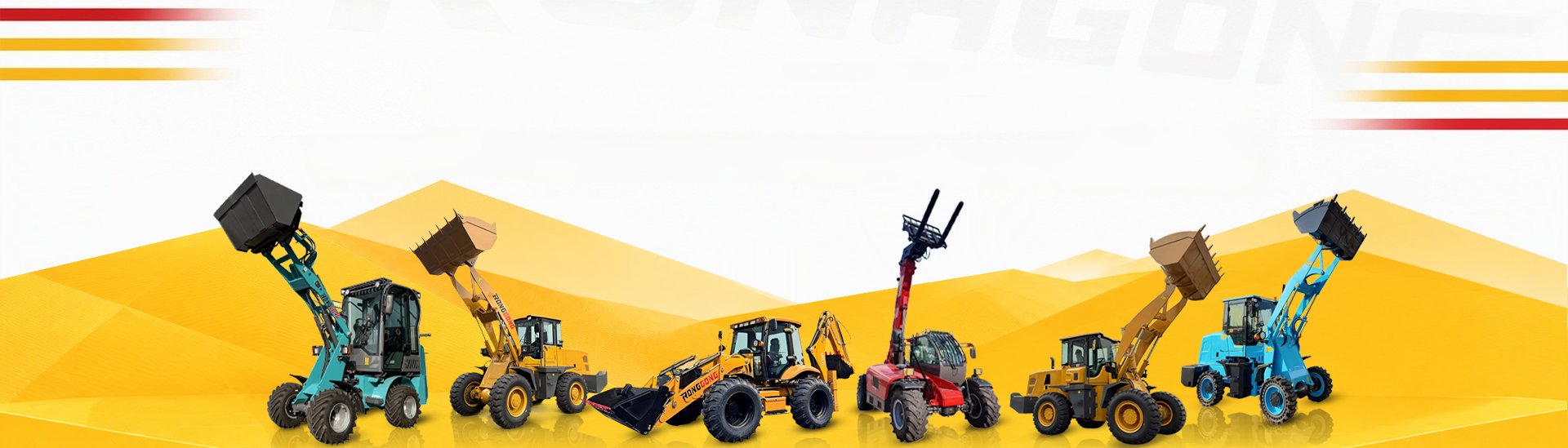
RongGong Machinery lists wheel loaders, electric loaders, telescopic loaders, telehandlers and backhoe loaders among its product categories. Its wheel loader range includes ZL-series models, while EV-10 appears in the electric loader range. Product suitability should be confirmed against the current specification and the intended application.
For loading loose bulk material, start by comparing wheel loaders and compatible buckets. Where reach is a priority, assess a telescopic loader or telehandler using the applicable load chart. If a project combines digging and loading, a backhoe loader may also merit consideration. An attachment changes machine loading and handling, so confirm compatibility before use.
Looking for a wheel loader for sale or an electric loader for your next project? Send RongGong your material type, typical load weight, truck dimensions, access limits and daily working hours. Discuss the machine, bucket and approved attachments that fit your application at www.ronggongmech.com. You can also contact us through our other website, www.lhloader.com.
Frequently Asked Questions
What is the best way to improve wheel loader efficiency
Start with truck positioning, travel distance and consistent bucket filling. Measure cycle time and actual payload together, then address waiting, spillage, wheel spin and downtime.
How do you calculate wheel loader productivity
Multiply bucket capacity by fill factor and cycles per hour, then apply the effective working fraction. Use measured payload for weight-based output and account separately for truck changeovers and other delays.
Does a larger loader bucket always increase output
No. A larger bucket must remain within the machine’s approved capacity for the material density. Overloading can compromise stability and increase wear.
Can an electric wheel loader handle material loading work
Assess the model’s rated load, hydraulic capability, attachment compatibility and duty cycle. Charging access and battery capacity also influence whether it suits the working shift.
When should I consider a telescopic loader
Consider one when the task requires additional reach or loading height. Verify capacity at the required reach and height using the specific machine’s load chart.
What information should I send a wheel loader supplier
Provide material type and density, required payload, truck loading height, site dimensions, surface conditions, daily hours and attachment needs. For electric equipment, include the charging supply available on site.